OLD SAYBROOK, Conn. — HONEES, the honey-filled drop brand, has announced a $10,000 grant to support research focused on protecting honey bees from Tropilaelaps, an emerging parasitic mite that is raising concern among beekeepers and pollinator health researchers around the world.
The grant will support PHIRA-Science, the Pollinator Health International Research Association, which conducts research, fieldwork, and training to improve pollinator health worldwide. PHIRA-Science is among the organizations studying Tropilaelaps in regions where the mite is already affecting honey bee colonies.
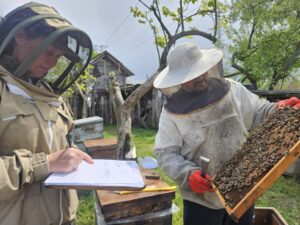
“Honey bees play an extraordinary role in agriculture and the food supply, and that has always been at the heart of my passion for beekeeping,” said Chuck Landrey, vice president of HONEES and a beekeeper. “HONEES exists because of the work bees do, so supporting research that helps protect them is both important to us and important far beyond our company.”
Although beekeepers have managed pests and diseases for thousands of years, Tropilaelaps presents a new and urgent concern. The tiny parasitic mite originated in Southeast Asia, spread from Asian honey bees to European honey bees, and is now moving westward into Europe. Researchers and beekeepers are concerned that, like other invasive pests before it, Tropilaelaps could eventually reach the Americas through international travel, shipping, or the movement of bees and equipment.
“Beekeepers have been dealing with Varroa destructor mites for nearly four decades, but Tropilaelaps is on an entirely different level,” Landrey said. “Varroa can weaken a colony over time. Tropilaelaps can kill a hive in a matter of weeks, damaging developing bees and spreading deadly viruses. If we don’t understand this pest before it arrives here, we will already be behind.”
Researchers are still working to understand key details of the mite’s life cycle, behavior and potential control methods. That knowledge is essential to developing practical tools for beekeepers before the threat becomes more widespread.
“HONEES’ support is helping PHIRA-Science advance critical research on honey bee health,” said Maggie Gill, founder and lead research scientist at PHIRA-Science. “This donation will directly support research and training in
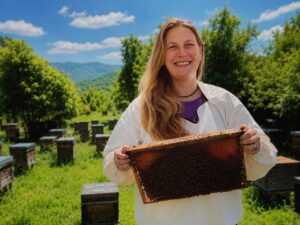
regions most affected by emerging bee pests, helping us generate knowledge that benefits beekeepers worldwide.”
Landrey said the grant reflects HONEES’ belief that preparation matters.
“If we don’t have a strategy in place before Tropilaelaps reaches the Americas, we will already be behind,” Landrey said. “This is about supporting the science now, while there is still time to learn, prepare, and respond.”
The $10,000 grant is part of HONEES’ broader commitment to supporting honey bees and the beekeepers, researchers, and organizations working to protect them.
For more information, visit HONEES’ Helping Bees page.
About HONEES
HONEES are honey-filled drops made with real liquid honey and simple ingredients. Made in Italy for more than 100 years, HONEES are inspired by the hardworking honey bees behind every drop. HONEES is a brand of Andre Prost, Inc., an Old Saybrook, Connecticut-based importer and distributor of fine foods and confections.
About PHIRA-Science
PHIRA-Science, the Pollinator Health International Research Association, works to improve pollinator health globally through scientific research, fieldwork, and training. Its research includes emerging threats to honey bees, including Tropilaelaps mites.